

Choosing Between Wood Vinyl and Aluminum Fences Which Option Suits Your Needs Best
Choosing the right fence for your property can feel overwhelming with so many options available. Wood, vinyl, and aluminum fences each offer unique benefits and drawbacks. Understanding these differences will help you pick a fence that fits your style, budget, and maintenance preferences. This guide breaks down the key features of each material to help you make an informed decision.
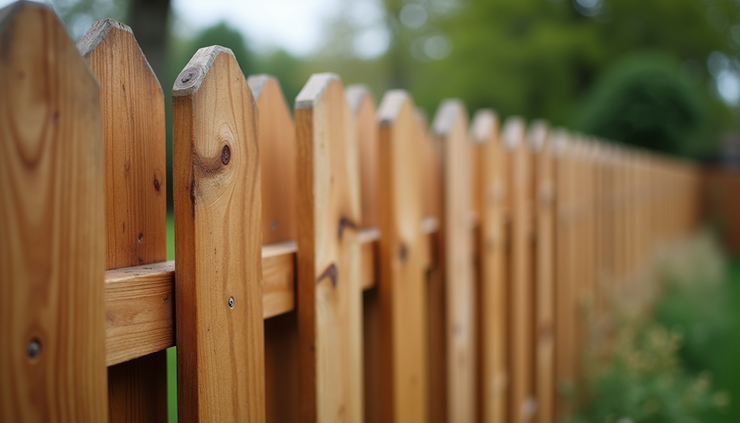
Wood Fences: Classic Beauty with Natural Appeal
Wood fences remain a popular choice for homeowners who want a traditional look. They offer a warm, natural appearance that blends well with most landscapes.
Advantages of Wood Fences
Aesthetic versatility: Wood can be painted or stained in any color, allowing you to customize the look.
Privacy: Solid wood panels provide excellent privacy and noise reduction.
Cost-effective: Initial costs are generally lower than aluminum fences.
Easy to repair: Damaged boards can be replaced individually without much hassle.
Drawbacks to Consider
Maintenance: Wood requires regular staining or painting to prevent rot, warping, and insect damage.
Durability: Exposure to weather elements can shorten the lifespan, typically 10 to 15 years.
Susceptible to pests: Termites and carpenter ants can cause damage if untreated.
Best Use Cases
Wood fences work well for homeowners who want a natural look and don’t mind periodic upkeep. They are ideal for gardens, yards needing privacy, or properties with a rustic or traditional style.
Vinyl Fences: Low Maintenance and Long Lasting
Vinyl fences have gained popularity for their durability and minimal maintenance needs. Made from PVC, vinyl fences resist weather, insects, and fading.
Advantages of Vinyl Fences
Low maintenance: No painting or staining required; cleaning with soap and water is enough.
Durability: Vinyl resists rot, rust, and insect damage, lasting 20 years or more.
Variety of styles: Available in many colors and designs, including wood-look textures.
Easy installation: Lightweight panels make installation faster and simpler.
Drawbacks to Consider
Higher upfront cost: Vinyl fences usually cost more initially than wood.
Less natural appearance: While some vinyl mimics wood grain, it may look artificial up close.
Can become brittle: In extreme cold, vinyl may crack or become brittle.
Limited repair options: Damaged panels often require full section replacement.
Best Use Cases
Vinyl fences suit homeowners looking for a clean, modern look with minimal upkeep. They work well in climates with high humidity or insect activity and for those who want a long-lasting fence without regular maintenance.

Aluminum Fences: Stylish and Secure
Aluminum fences offer a sleek, modern look combined with strength and security. They are often chosen for decorative purposes or to enclose pools and gardens.
Advantages of Aluminum Fences
Durability: Aluminum resists rust and corrosion, lasting 20 years or more.
Low maintenance: Requires occasional cleaning but no painting or staining.
Security: Strong and difficult to climb, making it a good choice for safety.
Lightweight: Easier to install than wrought iron but offers a similar look.
Variety of designs: Available in many styles, including ornamental and classic picket.
Drawbacks to Consider
Less privacy: Aluminum fences are usually open designs, offering limited privacy.
Higher cost: Aluminum fences tend to be more expensive than wood or vinyl.
Dents and bends: Aluminum can dent or bend if hit hard.
Limited color options: Usually available in black, white, or bronze finishes.
Best Use Cases
Aluminum fences are ideal for homeowners who want a stylish, secure fence with minimal maintenance. They work well around pools, front yards, or properties where visibility is important but security is a priority.

Making the Right Choice for Your Property
When deciding between wood, vinyl, and aluminum fences, consider these factors:
Budget: Wood is usually the most affordable upfront, vinyl has moderate costs, and aluminum is often the most expensive.
Maintenance: Vinyl and aluminum require less upkeep than wood.
Appearance: Wood offers a natural look, vinyl provides versatility, and aluminum delivers a sleek, modern style.
Privacy needs: Wood fences offer the most privacy, vinyl can provide solid panels, and aluminum is mostly open.
Climate: Vinyl and aluminum resist moisture and insects better than wood.
Longevity: Vinyl and aluminum typically last longer than wood.
Cracks can develop gradually, making regular inspections more important than many homeowners realize. Thanks for highlighting preventative maintenance throughout the article. Anyone searching for concrete repair near me in Jamestown, NC should address issues before they continue spreading.